A Congolese Feast
We began with beans and rice, boiled green bananas, and sweet Rwandan tea.
By Lindsay Sterling
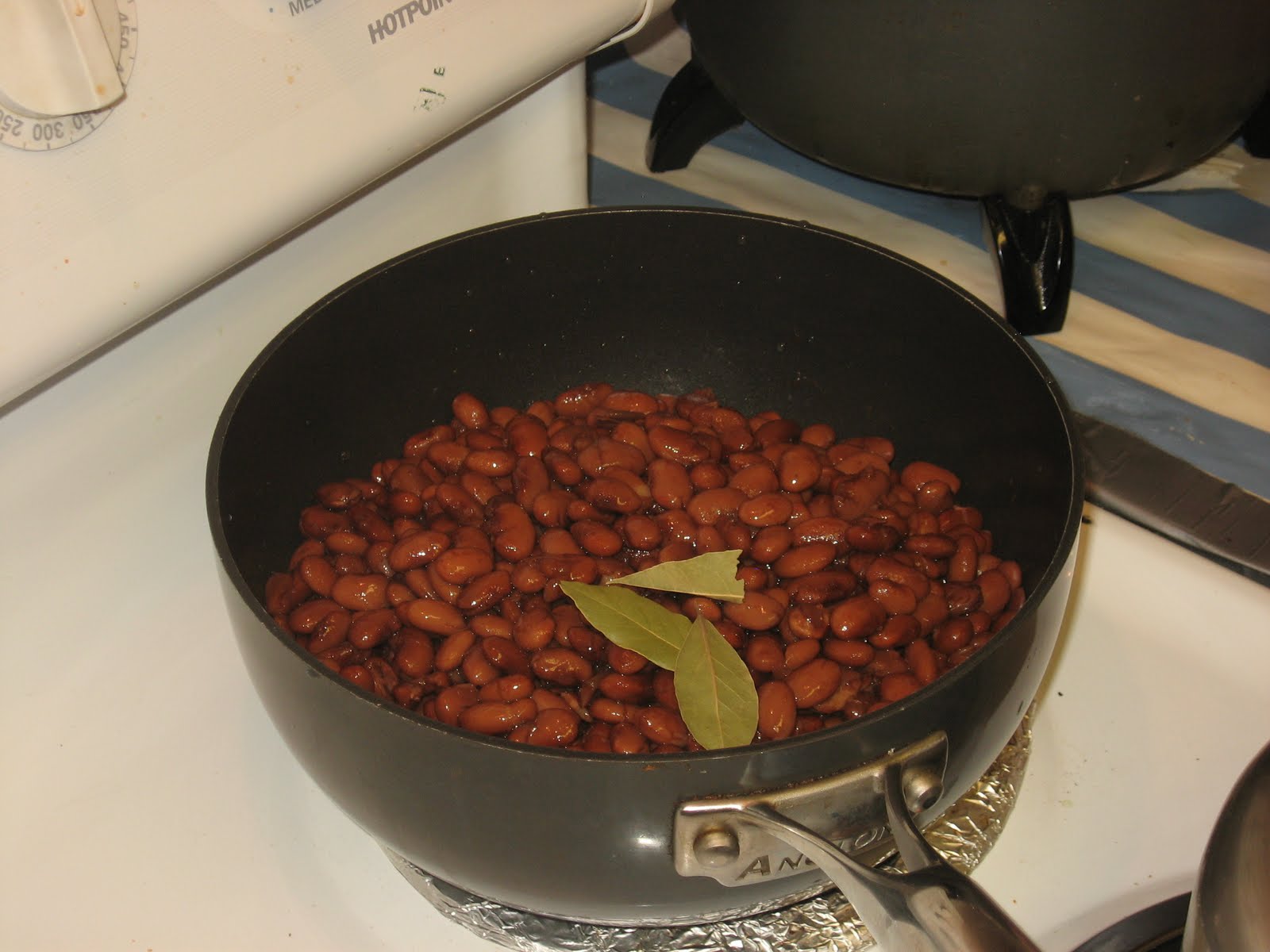
I met Constance Kabaziga at the checkout at Mittapheap world market. She was buying frozen cassava root and dried beans, and I really wanted to know what she was going to do them. “You look like a good cook,” I ventured. She smiled, laughing, but couldn’t return any English. A bilingual young man walked in. I hid my nerves and asked him to translate: “Would she ever teach me how to cook?” Three days later I was in Constance’s small apartment kitchen, watching her slice red onion and green peppers really thinly, sauté them in a lot of olive oil, and then add tomato paste and water. She was making a bean dish that goes by the name of madeso in Congo and bishimbo in Rwanda. The secret ingredient is fresh nutmeg, which she rubbed vigorously on a grater for a whole 20 seconds, the fragrant powder falling into a pot of red sauce. A relative offered me some rich, sweet Rwandan tea, and told me the story of how Constance got here.
When Constance was 19, she moved across the border of Rwanda into Congo. This was like going from Kittery, Maine, over the bridge to Portsmouth, New Hampshire, because Rwanda and Congo were friends. She fell in love with a man there who was in the Congolese army. The two married and moved all over the Congo for his work, finally arriving in Kinshasa where Constance raised eight children. Kinshasa, Congo, is not the jungle. It’s a diverse, civilized, multilingual place of ten million people, Europeans, Indians, and people from all over Africa. Constance’s daughter who grew up there told me she has never in her life seen a lion or an elephant. The first time she saw a snake was in the refugee camp when she was sixteen. One major difference between Kinshasa and any major city in U.S. is that in Kinshasa, only men worked outside the home. For thirty years, Constance cooked for her family and friends there and raised her children.
When she was 45, civil war exploded into genocide in Rwanda. Over the next five years, the fighting crossed into Congo. As Congolese died, “street threats” about her being Rwandan came at her. She couldn’t go home to Rwanda – she was no longer a citizen. In 2000 the United Nations offered what seemed like (her relative’s words) “a miracle from heaven.” She did not believe she would come to the United States until she was on a plane of 200 refugees descending into New York. Six of her children were with her. Her husband, a soldier, couldn’t come. One young daughter went to live with a family in South Africa. The eighth child came on a later flight.
At 52, Constance got her first job in a hotel laundry room, washing and ironing sheets and towels. Her next job was sorting clothes at the Salvation Army, but she got laid off. Learning English at her age has proven to be a lot harder than it has been for her children. Today, she is 62 and having trouble finding work. I told her, “You don’t need a lot of English to teach cooking,” and invited her and a bilingual relative to be my guest teachers at Immigrant Kitchens cooking next class, September 10th. That way, thirteen people can be as lucky I was, and learn in person how to make a Congolese feast.
copyright Lindsay Sterling 2010